

How to remove stains from a metal lateral filing cabinet?
Jun 10, 2025
Leave a message
As a trusted supplier of Metal Lateral Filing Cabinet, I understand the importance of maintaining the appearance and functionality of these essential office pieces. Over time, metal lateral filing cabinets can accumulate various stains, which not only affect their aesthetic appeal but may also lead to long - term damage if not properly addressed. In this blog, I will share some effective methods to remove stains from a metal lateral filing cabinet.
Common Types of Stains on Metal Lateral Filing Cabinets
Before we delve into the stain - removal methods, it's crucial to identify the common types of stains that can mar your metal lateral filing cabinet.
Grease and Oil Stains
In an office environment, grease and oil stains can come from hands that have come into contact with food, machinery, or lubricants. These stains are often sticky and can attract dust and dirt, making the cabinet look dirty and unkempt.
Rust Stains
If the metal cabinet is exposed to moisture for an extended period, rust may start to form. Rust stains are not only unsightly but can also weaken the metal structure over time, compromising the cabinet's durability.
Ink Stains
Accidental spills of ink from pens or printers can leave stubborn marks on the metal surface. Ink stains can be particularly challenging to remove, especially if they have been left untreated for a while.
Fingerprint and Smudge Marks
Frequent handling of the cabinet can result in fingerprint and smudge marks. These marks are mainly a cosmetic issue but can make the cabinet look less professional.
Stain - Removal Methods
Grease and Oil Stains
- Mild Detergent Solution: Start by mixing a mild dish - soap or laundry detergent with warm water. Dip a soft cloth into the solution and gently wipe the stained area. Avoid using abrasive sponges or scrubbers as they can scratch the metal surface. After wiping, rinse the area with clean water and dry it thoroughly with a clean, dry cloth.
- Vinegar: Vinegar is a natural and effective cleaner for grease and oil stains. Mix equal parts of white vinegar and water in a spray bottle. Spray the solution onto the stained area and let it sit for a few minutes. Then, wipe the area with a soft cloth. The acidic nature of vinegar helps to break down the grease and oil, making it easier to remove.
Rust Stains
- Lemon Juice and Salt: Cut a lemon in half and sprinkle some salt on the cut side. Rub the lemon over the rust stain, applying gentle pressure. The citric acid in the lemon helps to dissolve the rust, while the salt acts as a mild abrasive. After rubbing, rinse the area with water and dry it. For more stubborn rust stains, you may need to repeat the process several times.
- Commercial Rust Removers: There are many commercial rust removers available in the market. Follow the instructions on the product carefully. Usually, you need to apply the rust remover to the stained area, let it sit for a specified time, and then rinse it off. Make sure to wear gloves and work in a well - ventilated area when using commercial rust removers.
Ink Stains
- Isopropyl Alcohol: Moisten a cotton ball or a soft cloth with isopropyl alcohol. Gently dab the ink stain, being careful not to spread it further. As you dab, the alcohol will start to dissolve the ink. Keep dabbing until the stain is removed. Rinse the area with water and dry it.
- Baking Soda Paste: Mix baking soda with a small amount of water to form a paste. Apply the paste to the ink stain and let it sit for about 10 - 15 minutes. Then, gently scrub the area with a soft brush or cloth. Rinse the area with water and dry it.
Fingerprint and Smudge Marks
- Glass Cleaner: A simple glass cleaner can be used to remove fingerprint and smudge marks. Spray the glass cleaner onto a soft cloth and wipe the marks away. Glass cleaners are formulated to leave a streak - free finish, making the cabinet look clean and shiny.
Preventive Measures
To minimize the occurrence of stains on your metal lateral filing cabinet, consider the following preventive measures:
- Keep the Cabinet Dry: Avoid placing the cabinet in areas prone to moisture, such as near windows or in basements. If the cabinet gets wet, dry it immediately to prevent rust formation.
- Use Protective Covers: If possible, use protective covers for the cabinet, especially in high - traffic areas or environments where spills are more likely to occur.
- Regular Cleaning: Establish a regular cleaning schedule for the cabinet. Wiping the cabinet with a clean, dry cloth on a weekly basis can help prevent the buildup of dirt and stains.
Maintaining the Cabinet After Stain Removal
After successfully removing the stains, it's important to take steps to maintain the cabinet's appearance and condition.
- Apply a Protective Coating: You can apply a thin layer of metal polish or wax to the cabinet surface. This protective coating not only gives the cabinet a shiny finish but also helps to prevent future stains and rust formation.
- Inspect Regularly: Periodically inspect the cabinet for any signs of new stains or damage. Early detection and treatment can prevent minor issues from becoming major problems.
Conclusion
A clean and well - maintained metal lateral filing cabinet not only enhances the overall look of your office but also ensures its long - term functionality. By identifying the type of stain and using the appropriate removal methods, you can keep your cabinet in top condition. As a supplier of high - quality Metal Lateral Filing Cabinet, Metal Drawer Filing Cabinet, and Steel Vertical Filing Cabinet, I am committed to providing you with the best products and useful maintenance tips.
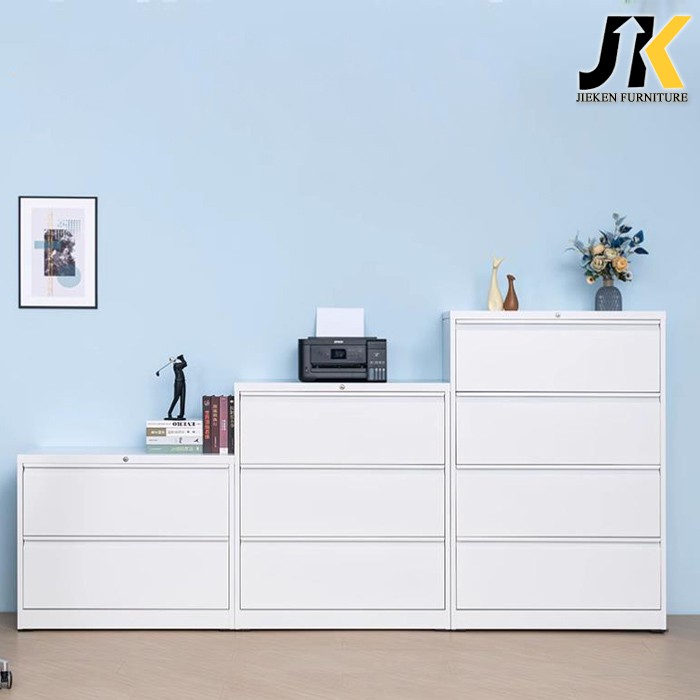

If you are interested in purchasing our filing cabinets or have any questions about cabinet maintenance, please feel free to contact us for further discussion and procurement negotiation.
References
- "The Complete Guide to Metal Furniture Maintenance" by Furniture Maintenance Press
- "Cleaning and Care of Office Equipment" by Office Essentials Magazine