

What should I look for when buying a used lateral filing cabinet?
Aug 27, 2025
Leave a message
When considering purchasing a used lateral filing cabinet, there are several crucial factors to take into account. As a supplier of lateral filing cabinets, I've witnessed firsthand the diverse needs of customers and the importance of making an informed decision. This blog post aims to guide you through the essential aspects to look for when buying a pre - owned lateral filing cabinet.
Condition of the Cabinet
The physical condition of the used lateral filing cabinet is of utmost importance. Start by inspecting the exterior for any signs of damage. Look for dents, scratches, or rust. Minor scratches might be acceptable if they are purely cosmetic and do not affect the functionality of the cabinet. However, significant dents can potentially interfere with the smooth operation of the drawers. Rust is a more serious concern as it can weaken the structure of the cabinet over time and may also cause staining on your documents.
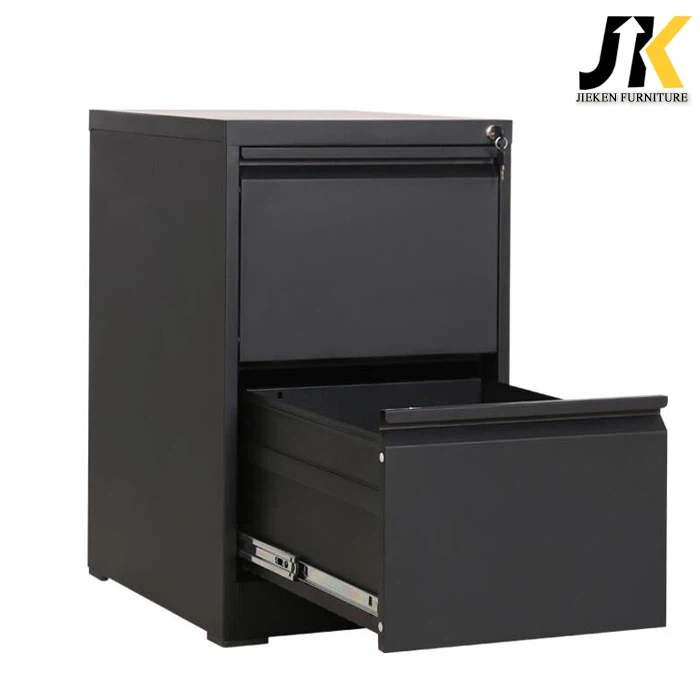
Examine the drawers carefully. They should open and close smoothly without any sticking or jamming. Check the drawer slides; if they are loose or damaged, it can lead to problems with the stability of the drawers. Try pulling the drawers out fully to ensure they are properly supported and do not tip or sag. A lateral filing cabinet with well - functioning drawers is essential for easy access to your files.

Size and Capacity
The size of the lateral filing cabinet you choose should be based on your storage needs. Consider the amount of paperwork you have and how much more you anticipate storing in the future. Lateral filing cabinets come in various sizes, typically measured by the number of drawers and the width of the cabinet. A Lateral 4 Drawer Filing Cabinet offers a large amount of storage space and is suitable for offices with extensive filing requirements.
Think about the available space in your office. Measure the area where you plan to place the cabinet to ensure it will fit comfortably. You also need to consider the height of the cabinet, especially if you have limited vertical space. Additionally, take into account the size of the files you will be storing. Some lateral filing cabinets are designed to hold legal - size documents, while others are better suited for letter - size papers.
Construction and Material
The construction and material of the lateral filing cabinet play a significant role in its durability and functionality. Most used lateral filing cabinets are made of metal or wood. Metal cabinets, such as Metal Vertical Filing Cabinet and Metal Two Drawer Filing Cabinet, are known for their strength and resistance to damage. They are also less likely to be affected by pests or moisture.
Check the thickness of the metal. Thicker metal generally indicates a more robust cabinet. Look at the welds and joints; they should be strong and well - made. If the cabinet has a powder - coated finish, inspect it for any signs of chipping or peeling, as this can expose the metal to rust.
Wooden filing cabinets offer a more traditional and aesthetically pleasing look. However, they require more maintenance and are more susceptible to damage from moisture and pests. Check for any signs of warping, cracking, or termite damage in wooden cabinets.
Locking Mechanism
A reliable locking mechanism is an important feature, especially if you are storing sensitive or confidential documents. Inspect the lock on the used lateral filing cabinet to ensure it is in good working condition. Try inserting the key and turning it to see if the lock engages and disengages smoothly.
Some lateral filing cabinets have a single lock for all the drawers, while others have individual locks for each drawer. Consider your security needs when choosing the type of locking mechanism. A cabinet with a high - quality lock can provide peace of mind knowing that your files are protected.
Mobility
If you need to move the lateral filing cabinet around your office, consider its mobility. Some cabinets come with casters, which make it easier to relocate them. Check the condition of the casters; they should roll smoothly and be able to support the weight of the cabinet when it is fully loaded.
However, if you do not need to move the cabinet frequently, casters may not be a necessary feature. In fact, cabinets without casters can provide more stability when placed in a fixed location.
Compatibility with Existing Furniture
Think about how the used lateral filing cabinet will fit in with your existing office furniture. Consider the color, style, and finish of the cabinet. A cabinet that matches the aesthetic of your office can create a more cohesive and professional look.
If you have a specific design theme in your office, try to find a filing cabinet that complements it. For example, if your office has a modern and minimalist style, a sleek and simple - designed lateral filing cabinet would be a good choice.
Price and Value
Finally, consider the price of the used lateral filing cabinet in relation to its condition, size, and features. Compare prices from different sellers to ensure you are getting a fair deal. Remember that a lower price does not always mean better value. A cabinet that is in poor condition or lacks important features may end up costing you more in the long run due to repairs or replacements.
As a lateral filing cabinet supplier, I understand that finding the right used cabinet at the right price is crucial for your business. We offer a wide range of used lateral filing cabinets that have been carefully inspected and refurbished to ensure they meet high - quality standards.
If you are interested in purchasing a used lateral filing cabinet, I encourage you to contact us for more information. Our team of experts can help you find the perfect cabinet to meet your storage needs and budget. We are committed to providing excellent customer service and ensuring your satisfaction with your purchase.
References
- Office Furniture Buying Guides, various industry publications
- Interviews with office managers and professionals in the field of document storage