

How to maintain a metal lateral filing cabinet?
Aug 22, 2025
Leave a message
Maintaining a metal lateral filing cabinet is essential for ensuring its longevity, functionality, and aesthetic appeal. As a trusted supplier of high-quality metal lateral filing cabinets, including products like the Metal Three Drawer Filing Cabinet, Lateral 5 Drawer Filing Cabinet, and Steel Lateral Filing Cabinet, we understand the importance of proper maintenance. In this blog post, we'll share some practical tips on how to keep your metal lateral filing cabinet in top condition.
Regular Cleaning
Regular cleaning is the first step in maintaining your metal lateral filing cabinet. Dust, dirt, and debris can accumulate over time, not only making the cabinet look unkempt but also potentially causing damage to the surface and moving parts. Here's how you can clean your cabinet effectively:
- Dust Removal: Start by using a soft, dry cloth or a microfiber duster to remove loose dust from the entire cabinet, including the exterior, drawers, and handles. Pay special attention to corners and crevices where dust tends to collect.
- Wiping Down: For a more thorough clean, dampen a cloth with a mild cleaning solution. You can use a mixture of warm water and a small amount of dish soap. Avoid using abrasive cleaners or solvents, as they can scratch the metal surface. Gently wipe down the cabinet, following the grain of the metal to prevent streaking.
- Drying: After wiping, use a dry cloth to remove any excess moisture. Make sure the cabinet is completely dry before closing the drawers or storing items inside to prevent rust and corrosion.
Lubrication of Moving Parts
The drawers and handles of your metal lateral filing cabinet are essential moving parts that require regular lubrication to function smoothly. Over time, friction can cause these parts to become stiff or difficult to operate, leading to wear and tear. Here's how you can lubricate them:
- Drawer Tracks: Apply a small amount of lubricant, such as silicone spray or dry lubricant, to the drawer tracks. Slide the drawers in and out a few times to distribute the lubricant evenly. This will help reduce friction and ensure smooth operation.
- Handles and Hinges: Lubricate the handles and hinges of the cabinet using the same lubricant. Open and close the drawers and doors several times to work the lubricant into the moving parts. This will prevent squeaking and make it easier to access your files.
Rust Prevention
Rust is one of the biggest enemies of metal filing cabinets, as it can not only damage the appearance of the cabinet but also weaken its structure. To prevent rust from forming, it's important to keep the cabinet dry and protected from moisture. Here are some tips for rust prevention:
- Avoid Moisture: Place your filing cabinet in a dry location away from sources of moisture, such as windows, doors, and plumbing fixtures. If the cabinet is located in a humid environment, consider using a dehumidifier to reduce the moisture level in the air.
- Inspect for Damage: Regularly inspect the cabinet for any signs of damage, such as scratches, dents, or chips in the paint. These areas are more susceptible to rust, so it's important to repair them as soon as possible. You can use touch-up paint or a rust inhibitor to protect the exposed metal.
- Use Rust Inhibitors: Apply a rust inhibitor to the cabinet periodically to provide an extra layer of protection against rust. There are many different types of rust inhibitors available on the market, so choose one that is suitable for metal surfaces.
Proper Loading and Organization
Proper loading and organization of your files can also help maintain the integrity of your metal lateral filing cabinet. Overloading the drawers can cause them to become misaligned or damaged, while disorganized files can make it difficult to find what you need. Here's how you can load and organize your files effectively:

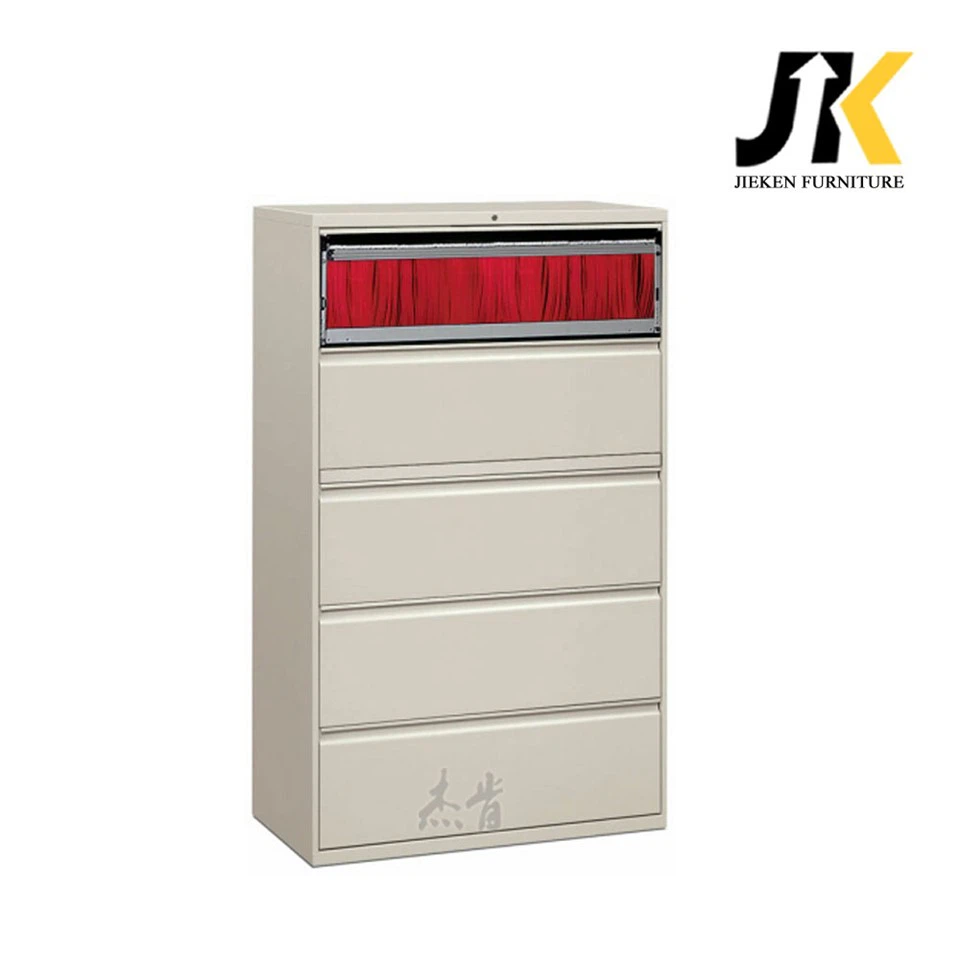
- Follow Weight Limits: Each filing cabinet has a recommended weight limit for each drawer. Make sure you do not exceed this limit to prevent damage to the cabinet. If you need to store heavy items, consider using a cabinet with a higher weight capacity.
- Use File Dividers: Use file dividers to separate your files into categories and make them easier to find. This will also help prevent files from shifting and becoming disorganized.
- Arrange Files Properly: When loading files into the drawers, arrange them in a neat and orderly manner. Avoid stuffing files in haphazardly, as this can cause the drawers to jam and make it difficult to open and close them.
Protection from Physical Damage
In addition to regular cleaning and maintenance, it's important to protect your metal lateral filing cabinet from physical damage. Accidental bumps, scratches, and dents can not only affect the appearance of the cabinet but also compromise its functionality. Here are some tips for protecting your cabinet from physical damage:
- Use Protective Pads: Place felt pads or rubber bumpers on the bottom of the cabinet to prevent it from scratching the floor. You can also use corner protectors to prevent damage to the corners of the cabinet.
- Avoid Overloading: As mentioned earlier, overloading the drawers can cause them to become misaligned or damaged. Make sure you do not exceed the recommended weight limit for each drawer to prevent this from happening.
- Handle with Care: When moving or rearranging the cabinet, handle it with care to avoid dropping or bumping it. If you need to move the cabinet, use a dolly or a furniture mover to make the process easier and safer.
Regular Inspections
Regular inspections are an important part of maintaining your metal lateral filing cabinet. By inspecting the cabinet regularly, you can identify any potential problems early on and take steps to address them before they become major issues. Here's what you should look for during your inspections:
- Structural Integrity: Check the cabinet for any signs of damage, such as cracks, dents, or loose parts. Make sure the cabinet is stable and does not wobble when you open or close the drawers.
- Drawer Operation: Test the drawers to make sure they open and close smoothly. If you notice any resistance or difficulty in operating the drawers, it may be a sign that they need to be lubricated or adjusted.
- Surface Condition: Inspect the surface of the cabinet for any signs of rust, corrosion, or scratches. If you find any damage, repair it as soon as possible to prevent further deterioration.
Conclusion
Maintaining your metal lateral filing cabinet is not only important for its longevity and functionality but also for the protection of your valuable files. By following the tips outlined in this blog post, you can keep your cabinet in top condition and ensure that it continues to serve you well for years to come.
If you're in the market for a high-quality metal lateral filing cabinet or need further advice on maintenance, we're here to help. Our team of experts can assist you in choosing the right cabinet for your needs and provide you with professional maintenance tips and services. Contact us today to start the procurement process and discuss how we can meet your filing storage requirements.
References
- Office Furniture Manufacturer's Association (OFMA). (Year). Office Furniture Maintenance Guide.
- Metalworking Institute. (Year). Best Practices for Metal Cabinet Maintenance.