

Are metal filing cabinets resistant to moisture?
Nov 06, 2025
Leave a message
As a supplier of metal filing cabinets, I often encounter inquiries from customers about the moisture resistance of these essential office and storage items. In this blog post, I will delve into the topic of whether metal filing cabinets are resistant to moisture, exploring the factors that influence their performance in humid environments and offering practical advice on how to protect your valuable documents and belongings.
Understanding the Basics of Metal Filing Cabinets
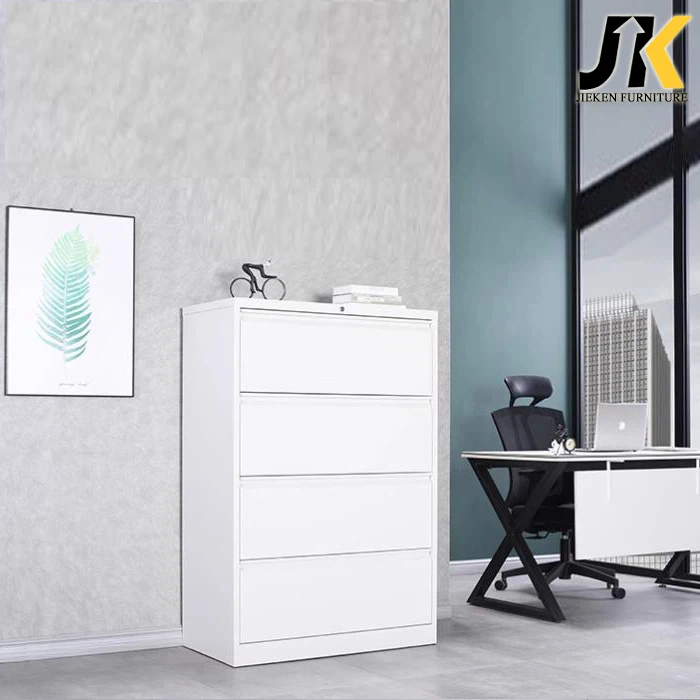
Metal filing cabinets are a popular choice for offices, archives, and homes due to their durability, security, and capacity. They come in various sizes, styles, and configurations, including Metal Four Drawer Filing Cabinet, Vertical Filing Cabinet, and Lateral 4 Drawer Filing Cabinet. These cabinets are typically made from steel or aluminum, which are known for their strength and resistance to wear and tear.
The Impact of Moisture on Metal Filing Cabinets
Moisture can have a significant impact on the performance and longevity of metal filing cabinets. When exposed to high levels of humidity, metal can rust and corrode, which can weaken the structure of the cabinet and compromise its security. Rust can also stain and damage the contents of the cabinet, such as documents, files, and equipment.
In addition to rust and corrosion, moisture can also cause the paint or finish on the cabinet to peel or bubble, which can make the cabinet look unsightly and reduce its value. Moisture can also create a breeding ground for mold and mildew, which can pose a health risk to occupants and damage the contents of the cabinet.
Factors Affecting the Moisture Resistance of Metal Filing Cabinets
The moisture resistance of metal filing cabinets depends on several factors, including the type of metal used, the thickness of the metal, the quality of the paint or finish, and the design of the cabinet.
- Type of Metal: Steel is the most common material used for metal filing cabinets due to its strength and durability. However, steel is also prone to rust and corrosion, especially in humid environments. Aluminum, on the other hand, is a lightweight and corrosion-resistant metal that is often used in outdoor or marine applications. While aluminum is more expensive than steel, it offers better moisture resistance and requires less maintenance.
- Thickness of the Metal: The thickness of the metal used in the construction of the cabinet can also affect its moisture resistance. Thicker metal is generally more resistant to rust and corrosion than thinner metal, as it provides a greater barrier against moisture. However, thicker metal also adds weight and cost to the cabinet, so it is important to balance the need for moisture resistance with the practicality and affordability of the cabinet.
- Quality of the Paint or Finish: The paint or finish on the cabinet can also play a crucial role in its moisture resistance. A high-quality paint or finish can provide a protective barrier against moisture, preventing rust and corrosion from forming on the surface of the metal. Look for cabinets that are coated with a durable, corrosion-resistant paint or finish, such as powder coating or epoxy coating.
- Design of the Cabinet: The design of the cabinet can also affect its moisture resistance. Cabinets that are designed with tight-fitting drawers and doors can help to prevent moisture from entering the cabinet, while cabinets that are designed with ventilation holes or gaps can allow moisture to circulate inside the cabinet, increasing the risk of rust and corrosion.
Tips for Protecting Metal Filing Cabinets from Moisture
While metal filing cabinets are not completely immune to the effects of moisture, there are several steps you can take to protect your cabinets and their contents from damage.
- Choose the Right Location: When installing your metal filing cabinet, choose a location that is dry and well-ventilated. Avoid placing the cabinet in areas that are prone to flooding, such as basements or near water sources. If possible, install the cabinet on a raised platform or pedestal to prevent it from coming into contact with the floor.
- Use a Dehumidifier: If you live in a humid climate or if your office or storage area is prone to high levels of humidity, consider using a dehumidifier to reduce the moisture content in the air. A dehumidifier can help to prevent rust and corrosion from forming on your metal filing cabinets, as well as protect your documents and belongings from damage.
- Keep the Cabinet Clean and Dry: Regularly clean and dry your metal filing cabinet to remove any dirt, dust, or moisture that may have accumulated on the surface of the cabinet. Use a soft, dry cloth to wipe down the cabinet, and avoid using abrasive cleaners or solvents that can damage the paint or finish on the cabinet.
- Inspect the Cabinet Regularly: Inspect your metal filing cabinet regularly for signs of rust, corrosion, or damage. If you notice any signs of damage, such as rust spots or peeling paint, take immediate action to repair the cabinet to prevent further damage from occurring.
- Use Moisture-Resistant Materials: If you are storing important documents or belongings in your metal filing cabinet, consider using moisture-resistant materials, such as plastic sleeves or folders, to protect them from moisture. You can also use desiccant packets or moisture-absorbing products to help keep the contents of the cabinet dry.
Conclusion
In conclusion, metal filing cabinets can be resistant to moisture if they are made from high-quality materials, are properly designed and installed, and are maintained regularly. By following the tips outlined in this blog post, you can help to protect your metal filing cabinets and their contents from the damaging effects of moisture, ensuring that they remain in good condition for years to come.

If you are interested in purchasing a metal filing cabinet or have any questions about our products, please feel free to contact us. We would be happy to assist you in finding the right cabinet for your needs and budget.
References
- "Moisture and Metal: Understanding the Corrosion Process." Corrosionpedia.
- "How to Protect Metal Furniture from Rust and Corrosion." HomeAdvisor.
- "The Benefits of Using Aluminum in Filing Cabinets." Office Furniture World.